|
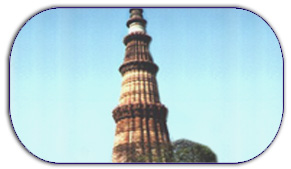
The summer retreat at Shimla is located relatively close to Delhi. This was another reason the British cited for the shift of Capital from Calcutta. However, much before the arrival of the British in India, Delhi had played a crucial role in the never ending twists in India�s fate. As many as seven cities were formed in Delhi during the medieval ages, and there is ample evidence that this region was held in importance centuries before the first Islamic rulers set foot in Delhi. Today, the remains of all those medieval cities are part of tourism in Delhi. The Delhi tours are dominated by visits to monuments like the Red Fort, Old Fort, Qutb Minar, and the Jantar Mantar, monuments which testify the dramatic history of New Delhi.
Having been the headquarters of several dynasties that ruled India right up to the 19th century, Delhi has numerous relics of those periods. The region was ruled by Rajput rulers until the invasions by Mohammad of Ghur brought about the first major shift in power. The first Islamic Dynasty to rule from Delhi was the so called Mamluk, or slave dynasty, which was followed by the Delhi Sultanate. Well known rulers like Qutb-ud-din Aibak, Iltutmish, and Balban ruled from Delhi and built many monuments which today are among the tourist attractions of Delhi. The Khiljis, Tughlaqs, and Lodhis followed and continued leaving their marks on the landscape of the city. Then came the dynasty that helped Delhi reach the pinnacle of its glory.
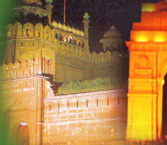
The Mughuls continued to rule from Agra, ever since their victory over the Lodhis under Babur in the 16th century AD. However, Delhi continued to be of importance and whoever captured Delhi was sure to win the crown of India. Shahjahan shifted the capital to Delhi in the 17th century and built a magnificent city called Shahjahanabad, which is called old Delhi today. The center of this city was the imposing Red Fort, a symbol of the might of the Mughuls. The Red fort witnessed many dramatic turn of events in the following years, which included repeated plundering of the fort and the city by many invaders including Nadir Shah of Persia who carried away the celebrated peacock throne built by Shahjahan.
The final blow came in 1857, during the so called Sepoy Mutiny, when Delhi and the Red Fort saw the worst series of bloodshed in its history. The fort was under siege for many months as the British soldiers prepared for an assault. The fort was damaged beyond repair although plans to destroy the entire city were eventually stalled. However, the city suffered badly and as the last Mughul emperor Bahadur Shah Zafar left the city, having been exiled to Rangoon, medieval Delhi came to an end. It was time for New Delhi to take over.
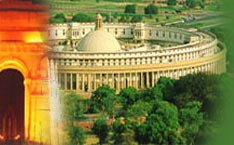
The new city was built to the south of the old city. The chief architect was Edwin Lutyens, a leading architect of the 20th century. Many new buildings came up, but the several old monuments were allowed to stand. The New Delhi of today is a sprawling metropolis that is fast catching up with the most modern cities of the world. The booming IT sector has fuelled an era of growth and today one can see stark contrasts al over the city and its surroundings. New Delhi, it seems will never shed the veil of its past.
Touristplacesinindia.com offers online information about the history of Delhi and other tourist information about Delhi.
|